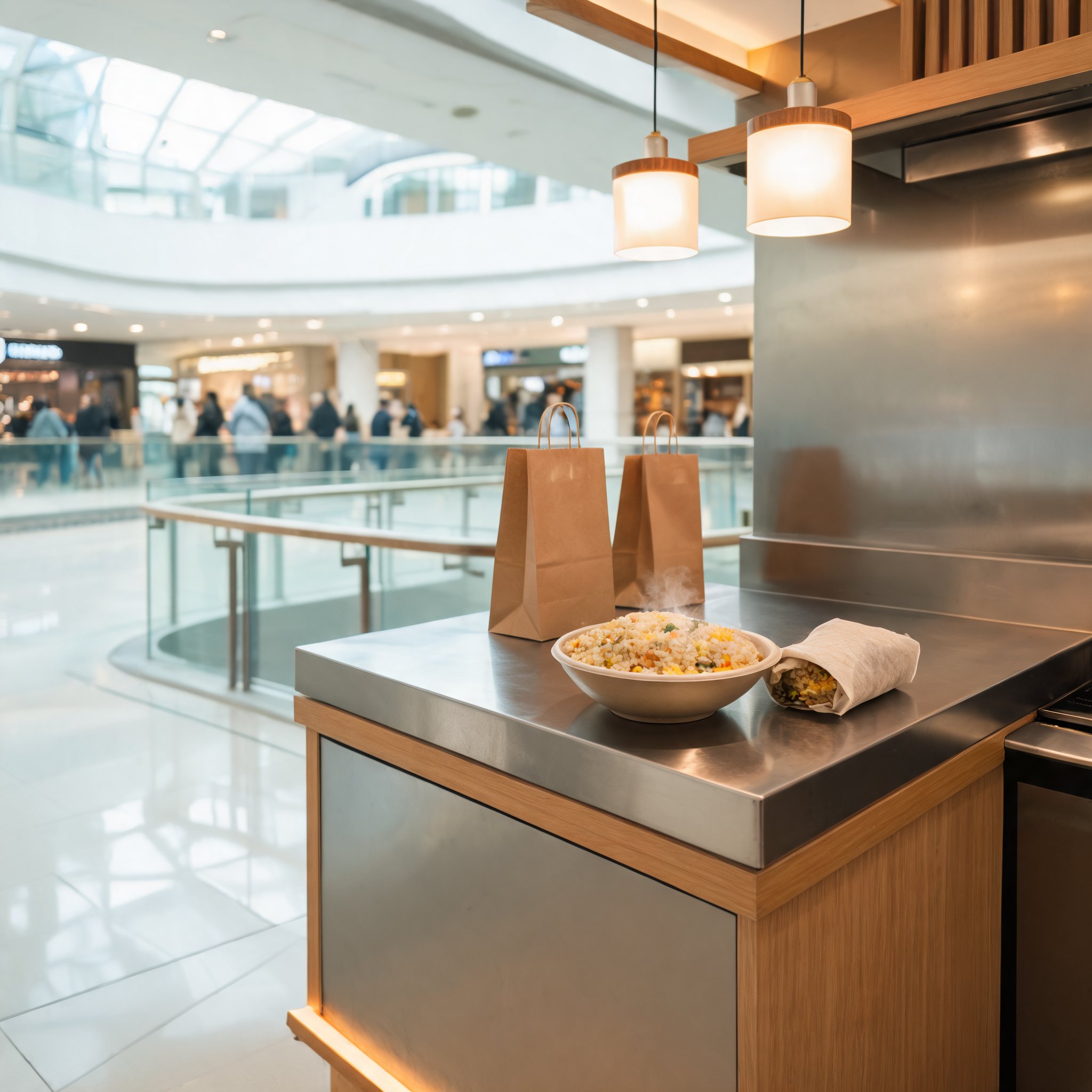
Benihana is launching a national licensing program for its Express fast-casual model, moving the compact format beyond its current company-owned locations and into high-traffic sites in both traditional and nontraditional settings.
The Express format is designed for footprints of roughly 800 to 1,000 square feet. Benihana says the model emphasizes flexibility, operational simplicity and scalability. Its menu includes made-to-order hibachi rice bowls, hibachi burritos and other items, adapting the chain’s hibachi-style cooking to a fast-casual service model.
Leadership view
Emanuel “Manny” Hilario, president and CEO of Benihana parent The ONE Group, said Benihana Express offers an opportunity to bring the flavors guests love to more people, in more places and more often. He said the flexible footprint, streamlined operating model and broad consumer appeal give the format the potential to become a significant growth engine for the company and a cornerstone of its asset-light expansion strategy.
The licensing program follows two company-owned Express units, in Miami and Denver. By the end of this year, Benihana expects to open a third company-owned unit at Topanga Mall in Canoga Park, Calif., along with a licensed store in Islamorada, Fla. Benihana’s website also lists an additional Express unit in Las Vegas as “coming soon”; the announcement did not provide a date for that opening.
Format and rollout
The Express design is intended for locations where a smaller footprint and a streamlined operation can support quick service and takeout. The menu’s focus on made-to-order hibachi rice bowls and hibachi burritos places the brand in a fast-casual format while retaining its hibachi association.
The announcement positions the model around speed and scale: a limited footprint, a streamlined operating model and a menu built for made-to-order service. Those features are intended to make the format easier to place in high-traffic sites, though the company did not release unit-level sales, margin or payback figures.
The national licensing program is meant to expand the format through licensed operators as well as company-owned locations. The initial company-owned units are in Miami and Denver, while the planned California and Florida openings would extend the format to additional markets. The announcement did not disclose projected unit counts, licensing terms, investment costs, a broader opening schedule or expected financial results.