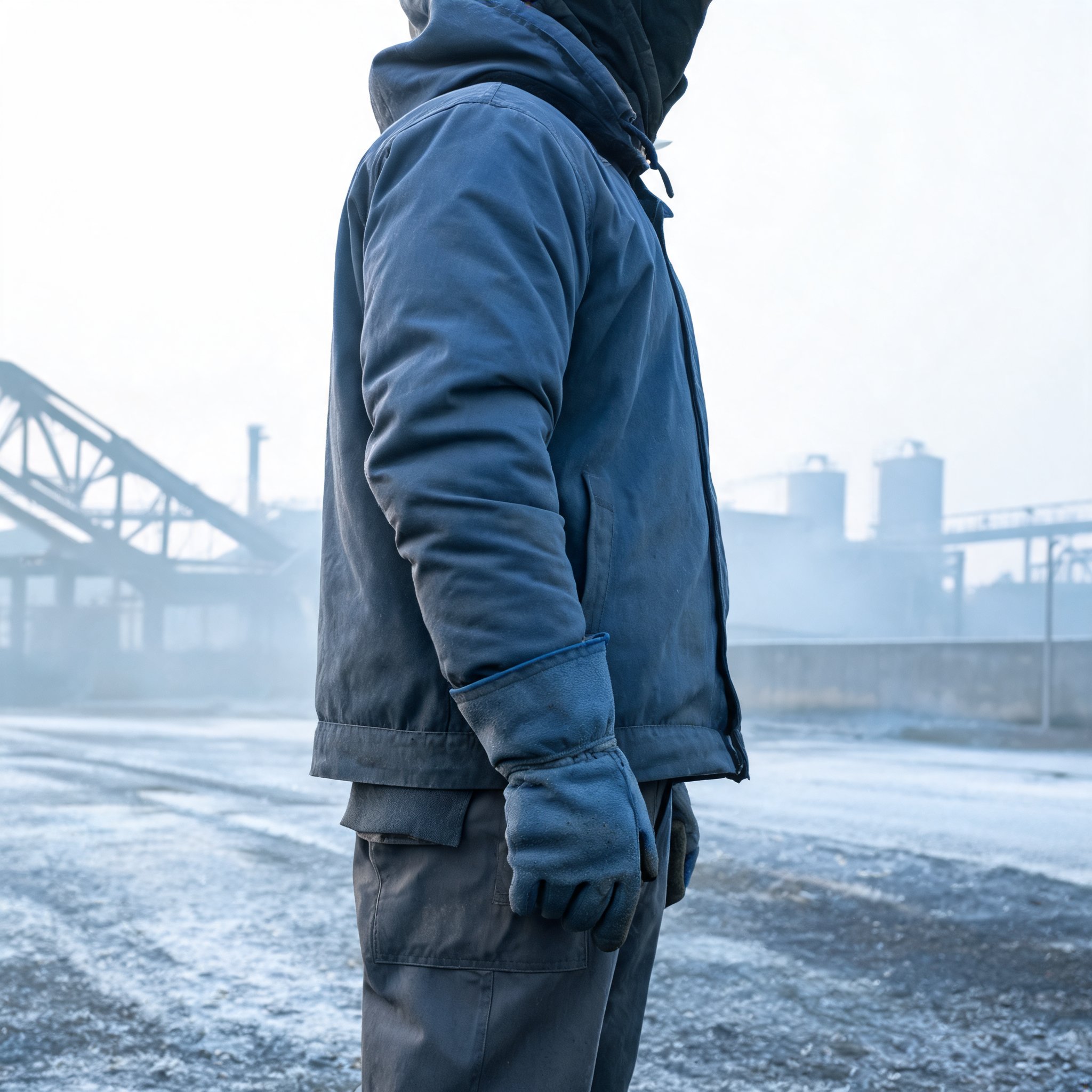
CWS Workwear International GmbH has highlighted five typical protection gaps in winter personal protective equipment (PPE), warning that outdoor assignments in cold, wet and frosty conditions can raise risks for employees when equipment is selected or combined incorrectly.
The Dreieich-based workwear company says the hazard situation at many outdoor workplaces changes with shorter days, wetness and frost. In practice, however, PPE is often not adjusted to those conditions. Its current guide focuses on a recurring weakness: protection gaps that emerge from the way individual clothing layers work together.
Certified pieces, uncertified combinations
According to CWS Workwear, individual garments may be certified, yet the combination actually worn may fail to meet the requirements of the relevant standards. This distinction matters for winter workwear, where multiple clothing layers are worn together rather than in isolation.
The company’s warning places the selection and combination of PPE at the center of winter workplace safety. It does not treat certification of a single item as sufficient evidence that the full outfit performs as required. Instead, the interaction between layers has to be considered when outdoor work continues through cold, wet and low-light conditions.
CWS Workwear names five typical protection gaps in its guide. The layer-combination problem is presented as a leading source of such gaps, while stressing that winter conditions can alter workplace hazards even when no change has been made to the PPE in use.
The guidance focuses attention on reviewing winter PPE as a complete system rather than as a collection of separately approved items. The company’s guidance points to selection and combination as practical points of attention when outdoor tasks are carried out in wet, frosty or short-day conditions.