The Chicago Botanic Garden’s ornamental plant breeding program is deliberately steering away from some of the traits that dominate commercial perennial breeding, according to Justin Lombardoni, the garden’s ornamental plant breeder.
Lombardoni explained that the program’s non-profit setting shapes which genera it targets and which traits it pursues. To his knowledge, it is the only breeding program at a botanic garden in the country. Rather than trying to match large commercial breeders, the garden can concentrate on plants and characteristics that may be underserved by the market.
Native and niche focus
Native species receive priority, though not exclusively. Lombardoni said people define “native” differently—by county, state or region—and he prefers the regional view because plants do not observe artificial borders, especially where no physical barrier prevents them from spreading.
When the program considers an exotic genus, it examines two seed-related factors that can contribute to invasive potential: fecundity, or how much seed a plant produces, and dispersal, or how readily those seeds move. Vegetative spread through rhizomes, stolons, suckers or other non-seed means also matters. Lombardoni cited kudzu as an extreme example of what can happen when a plant’s ability to spread is underestimated.
The garden focuses largely on niche genera, whether native or not. Lombardoni said the program’s small size and limited resources make head-to-head competition with larger commercial programs impractical. Even if it could compete, many mainstream genera already offer dozens or hundreds of cultivars. He questioned whether the market needs another Echinacea or Hosta when comparatively esoteric genera still have untapped potential.
Traits and trade-offs
Trait priorities vary by genus, but Lombardoni identified some the program does not actively seek. The most prominent is highly compact cultivars, which have proliferated in commercial breeding because they look good in pots and ship efficiently. He said he would not rule out releasing a compact selection if a promising one arose, but it is not a goal. In this context, compact means about 30 inches or shorter; a 4-foot plant bred from a species that normally reaches 5 or 6 feet would not qualify.
The program also avoids breeding for sterility, including the “double” flowers sometimes produced in ornamental horticulture when extra petals replace pistils or stamens. Those changes can reduce available pollen or make other floral resources harder for pollinators to reach. More broadly, Lombardoni said the program does not seek cultivars with traits that hinder ecological function.
Pollinator support is a central consideration. The garden hopes to collaborate with its Science Department, which is partnered with Northwestern University, to study pollinator visitation to breeding selections and compare it with straight species. The work is planned rather than completed, but it could show how the abundance and diversity of pollinator visits differ between the two groups.
A pollinator-friendly example
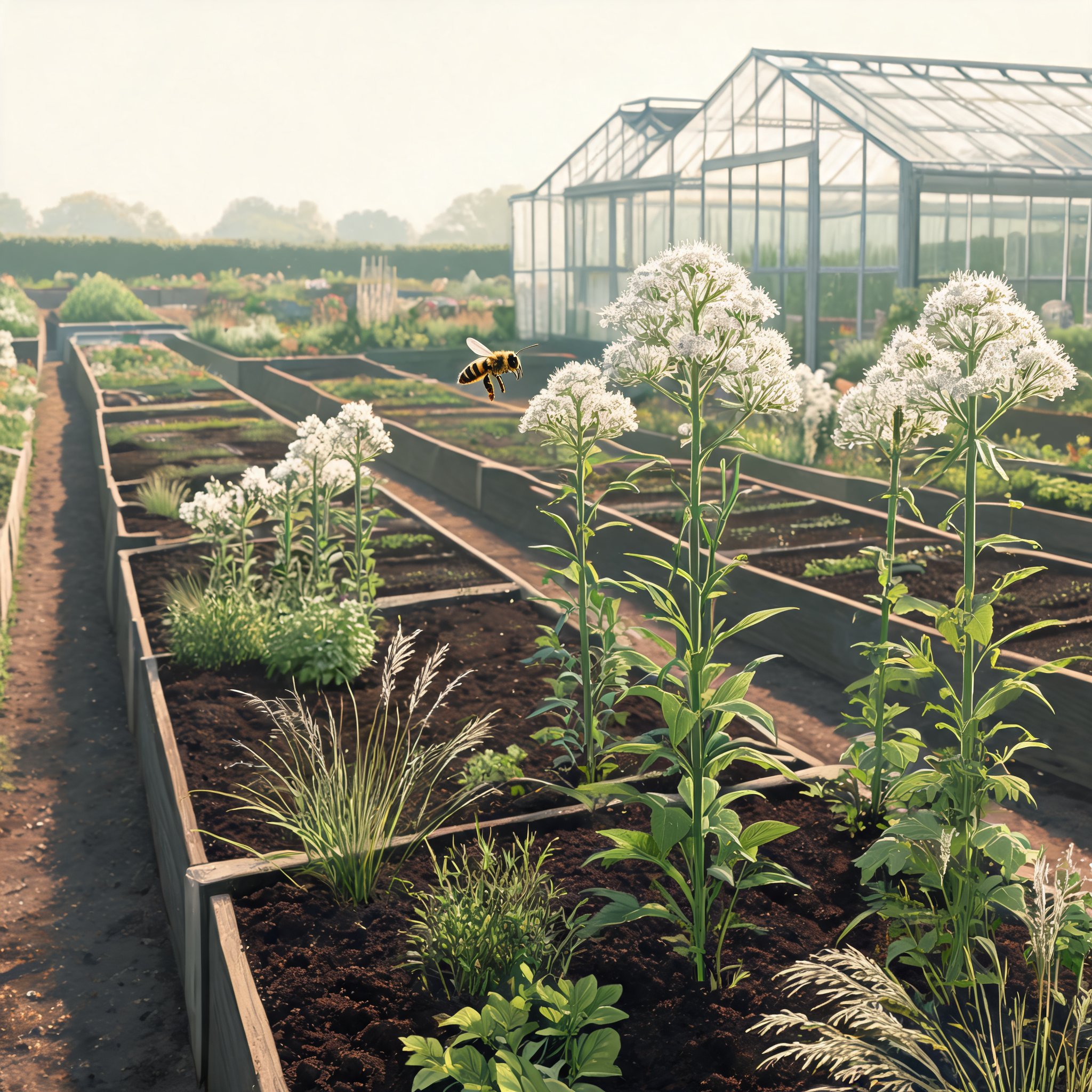
Eutrochium maculatum ‘Summer Snow’ illustrates the approach. Released about 10 years ago, it was bred from germplasm collected roughly 90 miles from the garden. Although the material came from three counties away, Lombardoni still considers it a native selection because the species is native to the garden’s county. The cultivar reaches about 5 feet tall—not significantly shorter than the straight species—and its upright stems bear white flowers that support pollinators from mid- to late summer.
Aesthetics remain a major consideration for commercial perennials, especially how a plant looks in a pot, and ecological function may not receive equal emphasis. Lombardoni said the garden’s non-profit status frees it from releasing a set number of cultivars each year or maximizing sales of each one. That lack of pressure, he said, allows the program to breed perennials differently from many commercial operations. His hope is that gardens will not someday consist entirely of perennials 2 feet or shorter.