Siemens Smart Infrastructure Buildings' Nuremberg site will introduce an intelligent robotics system into its warehouse operations under a logistics partnership involving Hellmann Worldwide Logistics and Exotec. The system is scheduled to go live in mid-2027, not at present.
Hellmann has operated the warehouse at the Nuremberg site as a full-service logistics provider for Siemens Smart Infrastructure Buildings since 2025. Under the new arrangement it is partnering with Exotec to automate storage, order fulfilment and the movement of materials within the facility.
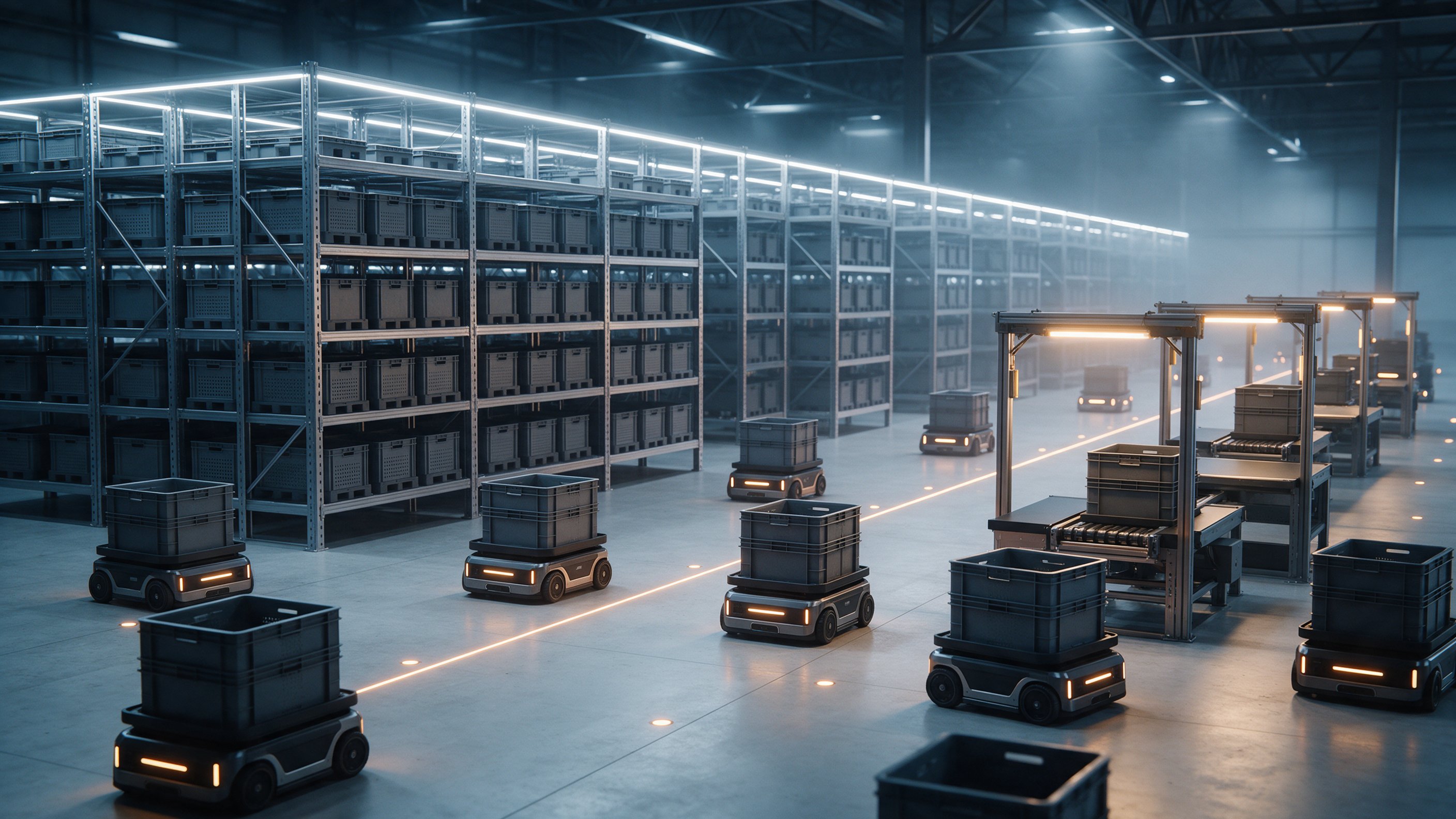
Autonomous robots will store and retrieve goods and transport totes to picking stations. The installation is initially planned to offer around 35,000 storage locations and is designed to scale as demand increases, with storage capacity and picking stations able to be added flexibly and with minimal effort.
The partners state that the automation will create additional capacity to support anticipated growth at the site while improving efficiency, quality and space utilisation. These are the companies' stated expectations for a planned system rather than measured results.
Daniel Schnuck, director global warehouse at Siemens Smart Infrastructure, said that introducing the automation solution at the Nuremberg site creates a foundation to support future growth, to improve operations continuously and to ensure a consistently flexible, high level of service for customers over the long term.
The site belongs to Siemens Smart Infrastructure Buildings, which describes smart buildings as able to manage their own energy demand and generation through a bi-directional energy flow between on-site generation and storage systems and the external electrical grid, helping to reduce energy waste and greenhouse gas emissions.